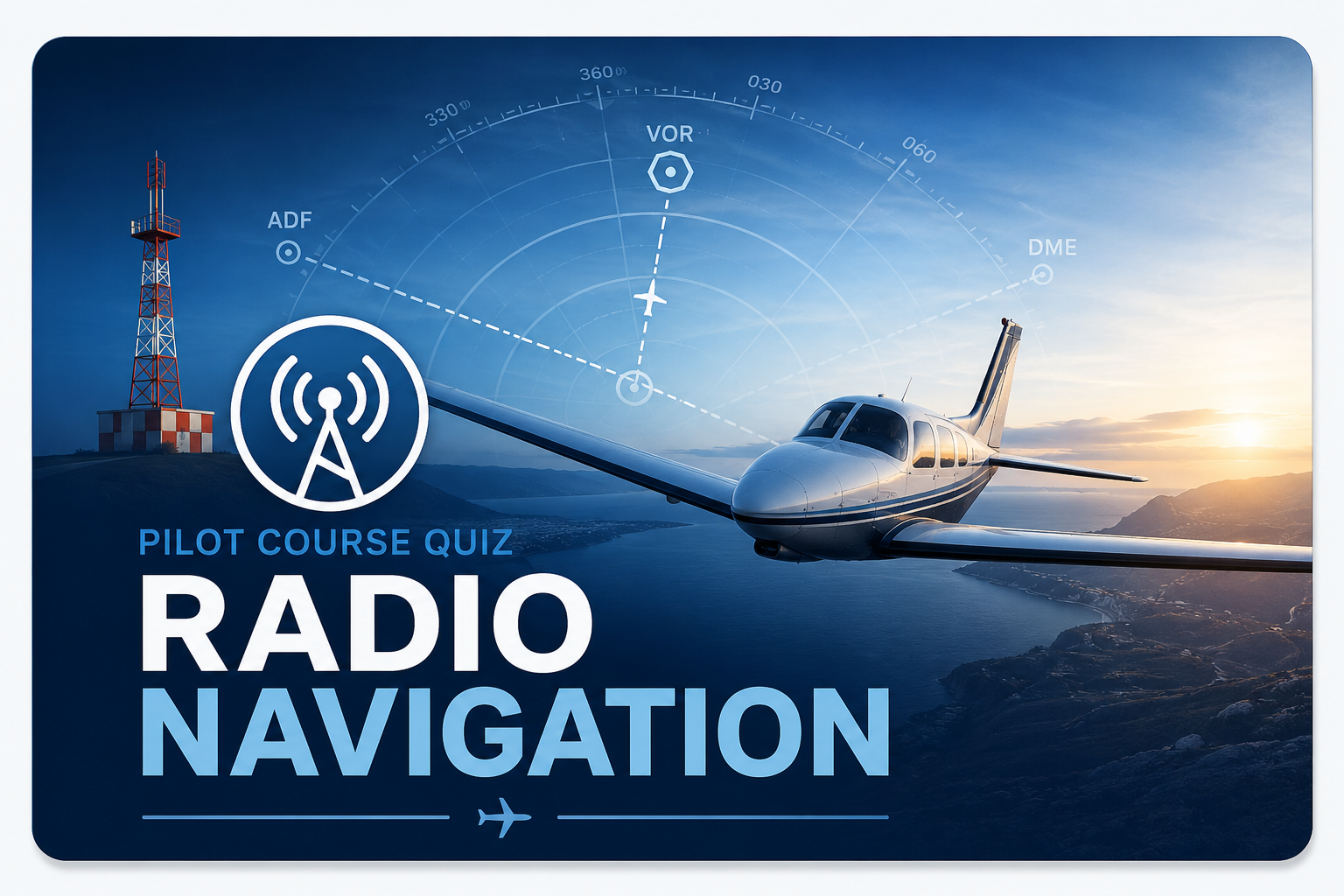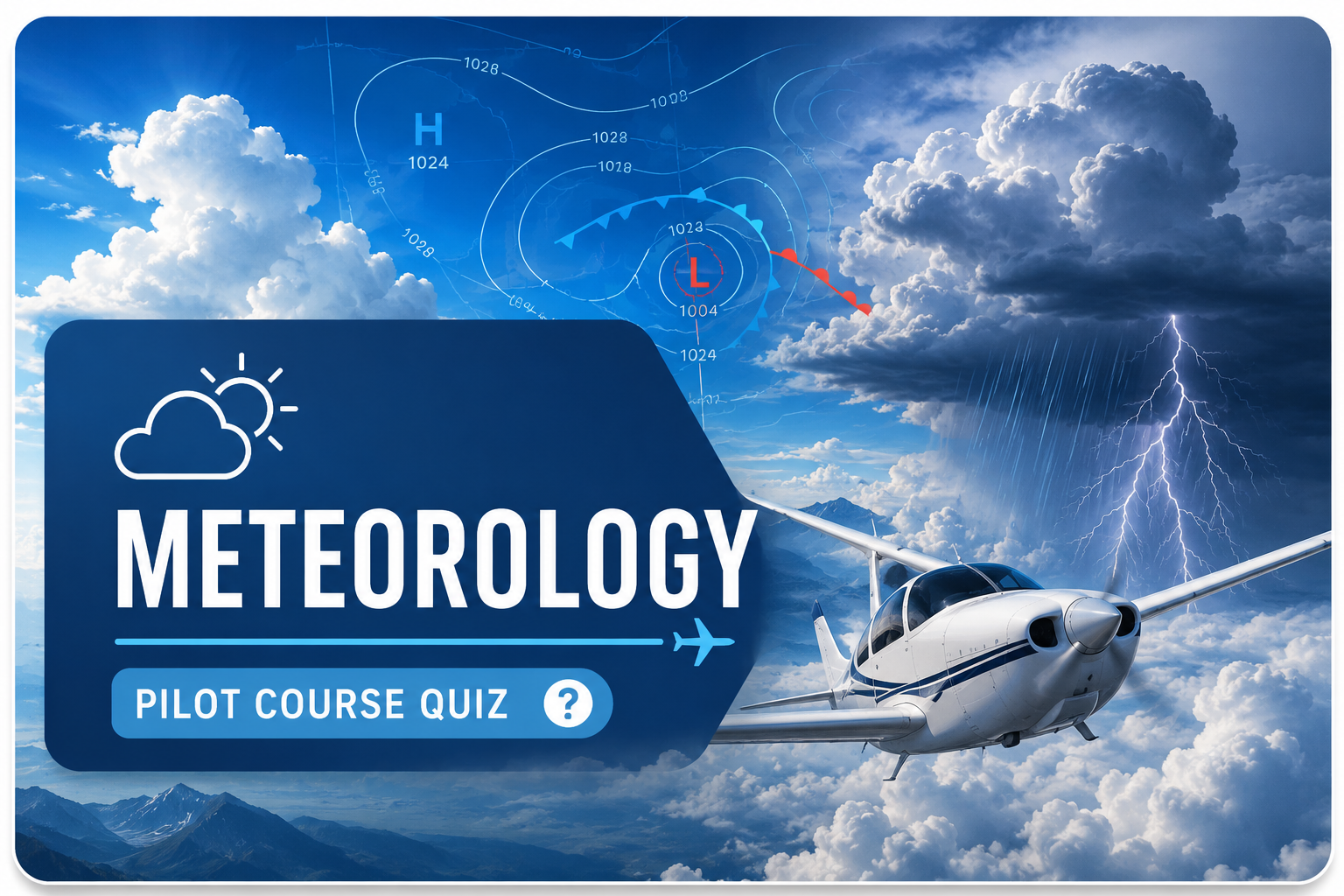

The Commercial Pilot License (CPL) Training program is a rigorous, world-class curriculum designed to transform aviation enthusiasts into highly skilled, professional pilots. This comprehensive program bridges the gap between theoretical knowledge and practical mastery, combining intensive ground school academics with advanced flight training. Utilizing state-of-the-art simulators and a modern training fleet, students will master aerodynamics, air navigation, meteorology, and aviation regulations. Beyond the technical mechanics of flying, the course heavily emphasizes critical decision-making, situational awareness, and the leadership skills required to command commercial aircraft safely in a global environment.
To ensure the highest standards of safety and capability, applicants must meet the following baseline criteria:
Age: Minimum 17 years of age at the time of enrollment (18 years required for final CPL issuance).
Educational Qualifications: Successful completion of 10+2 (Higher Secondary) or its equivalent, with mandatory subjects of Physics and Mathematics from a recognized board.
Medical Fitness: Must possess a valid Class II Medical Certificate from an approved aviation medical examiner prior to commencing flight training, and eventually secure a Class I Medical Certificate.
Language Proficiency: Fluent in English, demonstrating strong reading, writing, and speaking capabilities (in accordance with international aviation communication standards).
Aptitude: Successful clearance of the academy’s pilot aptitude test and personal interview.
Upon successful completion of the training program, graduates will achieve the following:
Licensure: Earn a Commercial Pilot License (CPL) equipped with Multi-Engine Rating (MER) and Instrument Rating (IR), fully compliant with regulatory standards (e.g., DGCA).
Technical Mastery: Demonstrate expert handling of modern aircraft, mastering both Visual Flight Rules (VFR) and complex Instrument Flight Rules (IFR) operations.
Academic Expertise: Possess a deep, practical understanding of aviation meteorology, advanced air navigation, radio telephony, and global air regulations.
Crisis Management: Develop strong Crew Resource Management (CRM) skills and the ability to execute emergency procedures with precision and calm.
Career Readiness: Be fully prepared for recruitment as a First Officer in commercial airlines, corporate aviation, charter services, or global cargo transport.

As the Super Admin of our platform, I bring over a decade of experience in managing and leading digital transformation initiatives. My journey began in the tech industry as a developer, and I have since evolved into a strategic leader with a focus on innovation and operational excellence. I am passionate about leveraging technology to solve complex problems and drive organizational growth. Outside of work, I enjoy mentoring aspiring tech professionals and staying updated with the latest industry trends.
No Review found
 Beginner
Discover Additional Learning Opportunities
.png) Static
Static
Static
Static
 Static
 Static
 Static
 Static